
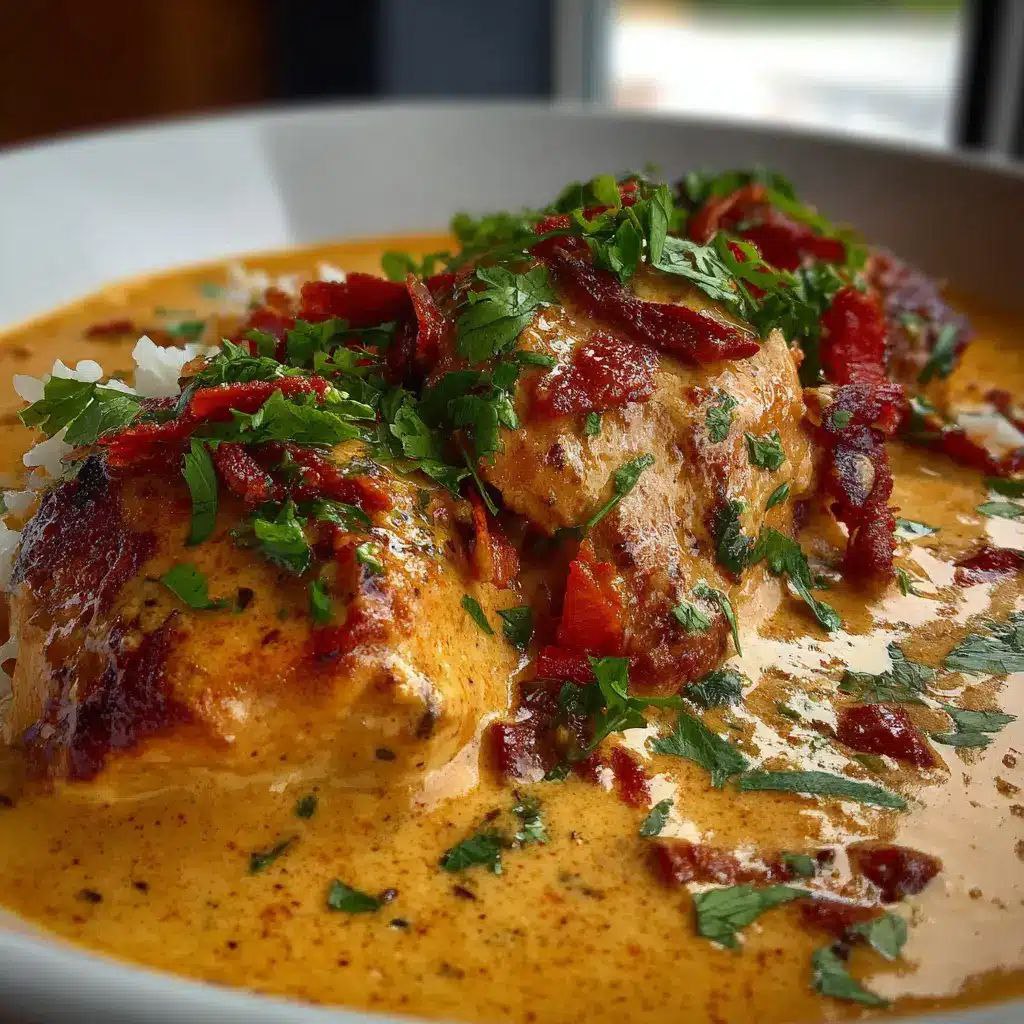
Most weeknight dinners play it safe. Grilled chicken. Steamed vegetables. A polite sprinkle of salt. This is not that dinner. This is chicken smothered in a smoky, creamy chipotle sauce so deeply flavored that it grabs your taste buds by the collar and refuses to let go. Each bite delivers a slow wave — creamy first, then smoky, then a warm chili heat that builds gently at the back of your throat and makes you reach for one more forkful before the first one is even finished. It sounds like something from a high-end Mexican restaurant with a three-week waitlist. It takes one skillet and 25 minutes. Life is unfair sometimes, and tonight that works in your favor.
Quick Recipe Facts
- Calories: 460 kcal per serving
- Prep Time: 8 minutes
- Cook Time: 18 minutes
- Servings: 4 servings
Simple Ingredients You’ll Need
For the chicken:
- 4 boneless, skinless chicken thighs (thighs are non-negotiable here — breasts dry out in cream sauces)
- 1 tablespoon olive oil
- 1 tablespoon butter
- 1 teaspoon cumin
- 1 teaspoon smoked paprika
- 1/2 teaspoon garlic powder
- 1/2 teaspoon oregano
- 1 teaspoon salt
- 1/2 teaspoon black pepper
For the chipotle cream sauce:
- 2–3 chipotle peppers in adobo sauce, finely chopped (plus 1 tablespoon of the adobo sauce from the can)
- 3/4 cup heavy cream
- 1/3 cup chicken broth
- 1/3 cup sour cream
- 3 cloves garlic, minced
- 1 small onion, finely diced
- 1 tablespoon tomato paste
- 1 tablespoon honey
- 1 tablespoon lime juice
- 1/2 teaspoon cumin
- Salt to taste
For finishing:
- 1/4 cup fresh cilantro, roughly chopped
- 1 lime, cut into wedges
- 1 jalapeño, thinly sliced (optional — for those who want to push the heat)
- Crumbled cotija cheese or queso fresco
- Warm tortillas, cilantro lime rice, or both
How to Make It: Step-by-Step
1. Season the chicken like it owes you money. Pat the chicken thighs dry with paper towels. Thighs are fattier, juicier, and more forgiving than breasts — they absorb cream sauces better, stay tender at higher heat, and cost less. There is genuinely no reason to use breast meat for this recipe unless you enjoy chewing through dry protein. In a small bowl, mix the cumin, smoked paprika, garlic powder, oregano, salt, and pepper. Rub this spice blend into every surface of each thigh — top, bottom, sides, every crevice. The spices form a dry crust during searing that not only adds flavor to the chicken but also flavors the cream sauce later when the fond from the sear dissolves into it. One seasoning step, two payoffs.
2. Get a dark, fearless sear. Heat the olive oil and butter together in a large skillet over medium-high heat. The oil prevents the butter from burning while the butter adds richness — they are a better team than either one alone. Once the butter foams and the foam subsides, lay the chicken thighs in presentation-side down — that is the smooth, rounded side that was closest to the skin. This side looks best with grill marks and sear patterns, so it goes down first. Do not touch them for 4 full minutes. You will hear aggressive sizzling and see the edges turn opaque and golden — that is the Maillard reaction building a crust so dark and flavorful it looks almost burnt but tastes like pure savory depth. Flip once and sear the other side for 3 minutes. The thighs will not be cooked through yet — perfect. Remove them to a plate.
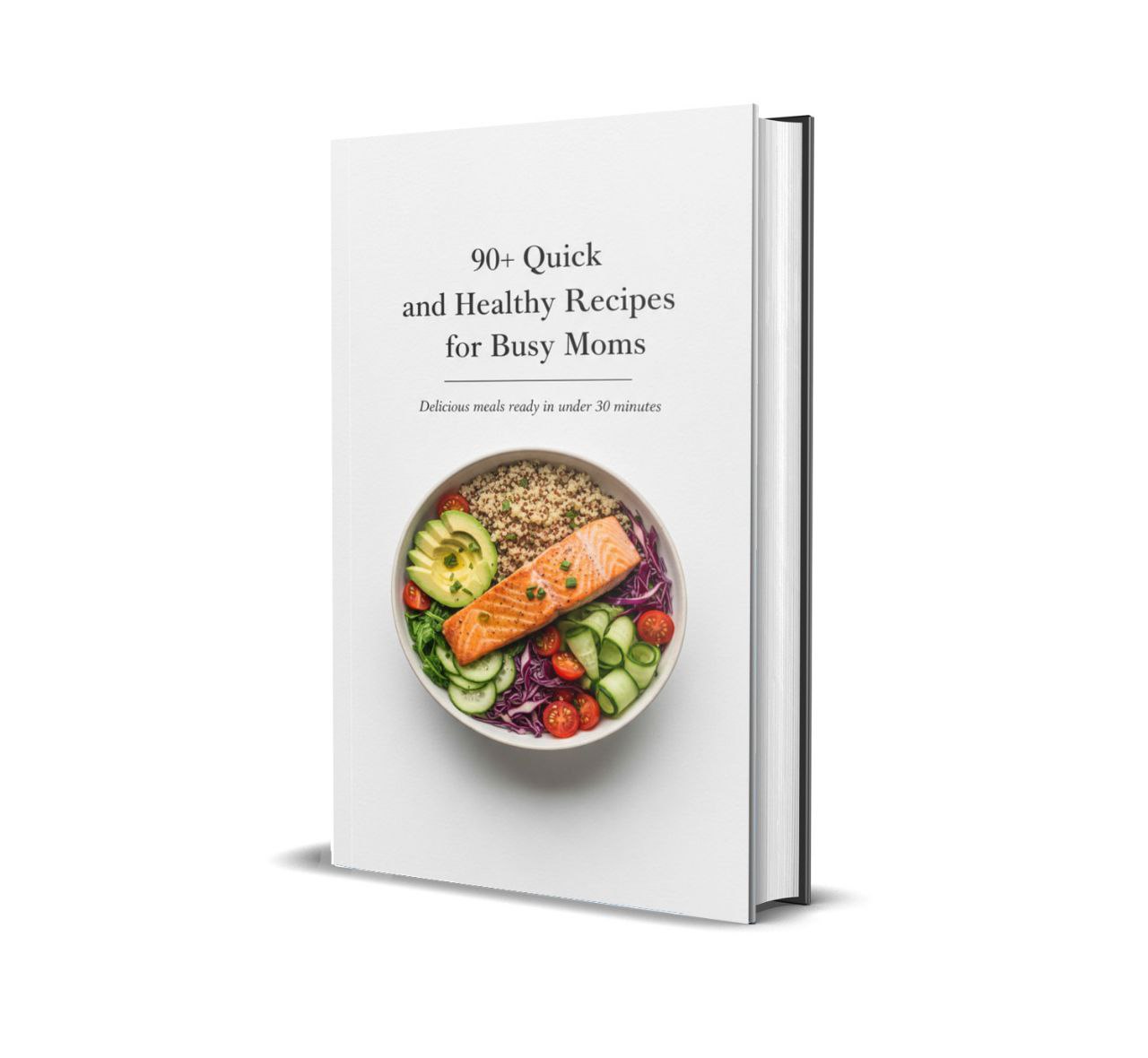
3. Build the flavor base in the chicken’s footprint. Without cleaning the skillet — every brown bit stuck to the surface is concentrated flavor — lower the heat to medium. Add the diced onion and cook for 2 minutes until soft. Drop in the minced garlic and stir for 30 seconds. Now add the tomato paste and cook it for a full minute, stirring constantly. Most people treat tomato paste like a liquid ingredient and dump it into sauces without cooking it first. That is a mistake. Raw tomato paste tastes tinny and acidic. Cooked tomato paste — even for just 60 seconds — caramelizes slightly and develops a deeper, rounder, sweeter tomato flavor that becomes the invisible backbone of the entire sauce. If details like this excite you, my digital cookbook with 90+ easy recipes is built around these kinds of small moves that produce massive flavor differences.
4. Introduce the chipotle — the soul of the dish. Add the finely chopped chipotle peppers and one tablespoon of the adobo sauce from the can. Stir it into the onion and garlic mixture for about 30 seconds. The aroma that hits you at this moment is extraordinary — smoky, earthy, and warmly spicy. Chipotle peppers are smoked jalapeños packed in a tangy, vinegary adobo sauce, and they bring three layers of flavor simultaneously — smoke from the drying process, heat from the chili, and a subtle sweetness from the adobo. Two peppers give you a gentle, approachable heat. Three peppers push it into medium territory. If you want fire, add four and a generous spoonful of extra adobo. You control the flame.
5. Pour in the cream and let the magic happen. Add the chicken broth first, scraping up all the brown bits from the bottom of the skillet — this deglazing step transforms those stuck-on caramelized remnants into liquid gold. Let it simmer for one minute. Then pour in the heavy cream, cumin, and honey. The honey does something subtle but essential — it rounds out the sharpness of the chipotle and the acidity of the tomato paste, creating a smoother, more balanced heat that lingers pleasantly instead of attacking aggressively. Let the sauce simmer for 3–4 minutes. You will watch it transform from a thin, loose liquid into a velvety, orange-tinted cream sauce that coats the back of a spoon like silk. It should look like a sunset in a skillet.
6. Finish the sauce with sour cream — the secret weapon. Lower the heat and stir in the sour cream. This is the ingredient that takes the sauce from restaurant-good to impossibly addictive. The sour cream adds a tangy richness that heavy cream alone cannot deliver and it thickens the sauce into a consistency that clings to the chicken instead of running off. Do not add the sour cream over high heat or it will curdle — low and gentle is the rule. Stir in the lime juice and taste the sauce. It should hit you in waves — creamy first, then smoky, then gently spicy, then a bright citrus finish that makes everything feel balanced. Adjust salt if needed.
7. Nestle the chicken back home. Return the seared chicken thighs to the skillet, pressing them gently into the chipotle cream sauce. Spoon sauce over the top of each piece so they are generously coated. Cover the skillet loosely and let everything simmer on low heat for 5–6 minutes until the chicken is fully cooked through. This gentle finishing simmer accomplishes two things — it cooks the chicken to a perfect juicy tenderness without the aggressive heat that toughens protein, and it allows the sauce to absorb the smoky, spiced flavor from the seared chicken crust, unifying the entire dish into one cohesive experience.
8. Finish it with everything that makes it sing. Remove the lid and squeeze fresh lime juice over the entire skillet. Scatter chopped cilantro and sliced jalapeño across the top. Crumble cotija cheese or queso fresco over each thigh — the salty, crumbly cheese against the creamy, smoky sauce creates the kind of textural contrast that makes your brain light up with every bite. Serve straight from the skillet over cilantro lime rice, with warm tortillas on the side for scooping, inside a burrito bowl, or with nothing but a fork and the understanding that this is the best thing you have cooked in a very long time.
Bold, crave-worthy dinners that take almost no time and leave you wondering why you ever ordered takeout — that is the entire identity of my full collection of 90+ easy recipes. Real flavor for real life.
Frequently Asked Questions
Where do I find chipotle peppers in adobo sauce? They come in small cans in the international or Mexican food aisle of virtually every grocery store. One can gives you enough for several recipes. After opening, transfer the unused peppers and sauce to a small jar and refrigerate — they keep for up to a month. You can also freeze individual peppers in an ice cube tray for portioned use later. Once you discover this ingredient, you will put it in everything.
How spicy is this dish really? With two chipotle peppers, the heat is warm and smoky but not aggressive — a solid mild-to-medium. The cream, sour cream, and honey temper the chili significantly. For almost no heat, use one pepper and rinse the seeds out. For serious fire, use four peppers with extra adobo and add the sliced jalapeño on top. The beauty of this recipe is that you control the dial precisely. For more recipes with adjustable heat levels, explore my 90+ recipe digital cookbook.
Can I use chicken breasts instead of thighs? You can, but the result will be noticeably drier. Breasts have less fat and tighten more aggressively under heat, especially in a cream sauce where they continue cooking during the simmer. If you must use breasts, pound them to an even half-inch thickness before searing and reduce the final simmering time to 3 minutes. But honestly — try the thighs. This recipe might be the one that converts you permanently.
What goes best with this dish? Cilantro lime rice is the classic pairing — the bright citrus rice balances the smoky cream sauce perfectly. Warm flour tortillas for scooping are essential. Black beans, charred corn, a quick avocado salad, or simple roasted sweet potatoes all complement the chipotle flavors beautifully without competing for attention.
Final Pro Tip
Here is the detail that separates a home version from a restaurant version of chipotle cream anything — toast your cumin in the dry skillet for 30 seconds before you start cooking. Before adding any oil or butter, sprinkle the cumin into the cold skillet and turn the heat to medium. Shake the pan gently as the cumin warms up. Within 30 seconds you will smell an explosion of warm, earthy, almost nutty aroma — that is the essential oils in the cumin activating. This toasted cumin carries three times the depth of raw cumin from the jar. Scrape it onto a plate, then proceed with the recipe. Mexican and Indian cooks have been doing this for thousands of years because it works — one ingredient, 30 seconds of heat, and the entire flavor foundation of the dish shifts from flat to three-dimensional. For more ancient techniques that quietly transform modern cooking, do not miss my digital cookbook.