
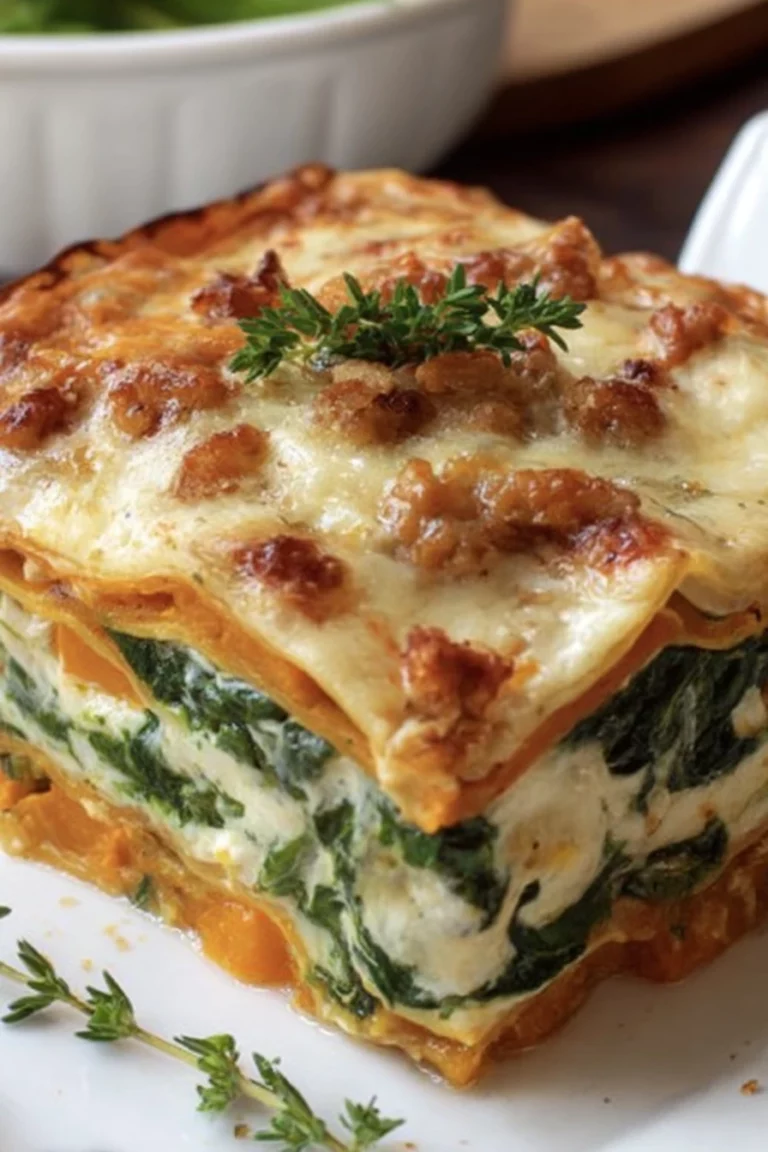
I’ve gotta tell ya, the first time I whipped up this Butternut Squash and Spinach Lasagna, I was a little skeptical about how my meat-loving family would react. But oh my gosh, they devoured it, and now it’s a permanent fixture on our dinner rotation! I discovered this gem a few years back during a chilly fall evening when I was craving something cozy. This recipe didn’t just hit the spot—it redefined what “comfort food” meant in our household.
In today’s fast-paced digital world, where many of us are balancing digital entrepreneurship with the demands of a busy home, finding a meal that offers “hug-on-a-plate” comfort without requiring four hours of labor is a total win. This lasagna is a strategic solution for modern meal planning: it’s indulgent, nutrient-dense, and surprisingly efficient to assemble.
Why This Recipe is a High-Value Household Investment
When we talk about cooking at home, we are really discussing an investment in holistic health and personal finance.
- Nutritional Transparency: Unlike pre-packaged meal delivery services or restaurant take-out, you control the sodium, the quality of the fats (like choosing organic olive oil), and the freshness of the produce.
- Cost-Effective Sophistication: You get the gourmet experience of a $35 bistro entree for a fraction of the cost. Using seasonal produce like butternut squash is a savvy way to manage your grocery budget while maintaining a high standard of dining.
- Stress Reduction: There is a psychological benefit to the “slow food” movement. Preparing a colorful, vegetable-forward meal acts as a form of mindfulness and wellness, helping to decompress after a long day of screen time.
The Ingredients: Choosing Premium Components
To achieve a flavor that rivals a high-end Italian restaurant, the quality of your ingredients is your greatest asset. If you have recently invested in a luxury kitchen remodel with professional-grade appliances, you’ll find that high-quality ingredients respond beautifully to precise temperature controls.
The Roasted Squash Layer
- 1 Medium Butternut Squash (2.5 lbs): Look for one that feels heavy for its size. The natural sugars in the squash provide a “caramel” note that balances the savory cheese.
- Organic Olive Oil & Nutmeg: These are the flavor carriers. Nutmeg, in particular, is a staple in traditional European medicine for digestion and adds that “secret ingredient” warmth.
The Spinach and Ricotta Filling
- 10 oz Fresh Baby Spinach: I always recommend fresh over frozen. The texture is superior, and it avoids the “watery lasagna” syndrome that often plagues home cooks.
- 15 oz Whole Milk Ricotta: Don’t skimp here. The fat content provides the creamy mouthfeel that makes this dish feel like a luxury.
- Aged Parmesan: This adds the “umami” or savory depth that satisfies even the most dedicated meat-eaters.
The Structural Elements
- No-Boil Lasagna Noodles: A massive time-saver for the modern professional.
- Béchamel Sauce: While you can use store-bought, making a quick roux with butter and flour is a culinary skill that elevates any dish.
- Shredded Mozzarella: Essential for the “cheese pull” that makes for great social media content and happy diners.
Step-by-Step Culinary Methodology
Phase 1: The Maillard Reaction (Roasting)
Preheat your oven to 400°F (200°C). Tossing the squash in oil and roasting it isn’t just about softening the veggie—it’s about the Maillard reaction. This chemical reaction between amino acids and reducing sugars gives browned food its distinctive flavor.
Kitchen Safety Tip: Ensure your oven is properly maintained to avoid uneven heating or safety hazards. Maintaining your appliances is a key part of home maintenance and insurance loss prevention.
Phase 2: Sautéing for Nutrient Retention
Quickly sauté the spinach. You want it to wilt but remain vibrant green. This preserves the Vitamin K and folate levels, contributing to your overall nutritional wellness. Mix this with the ricotta, egg (as a binder), and garlic.
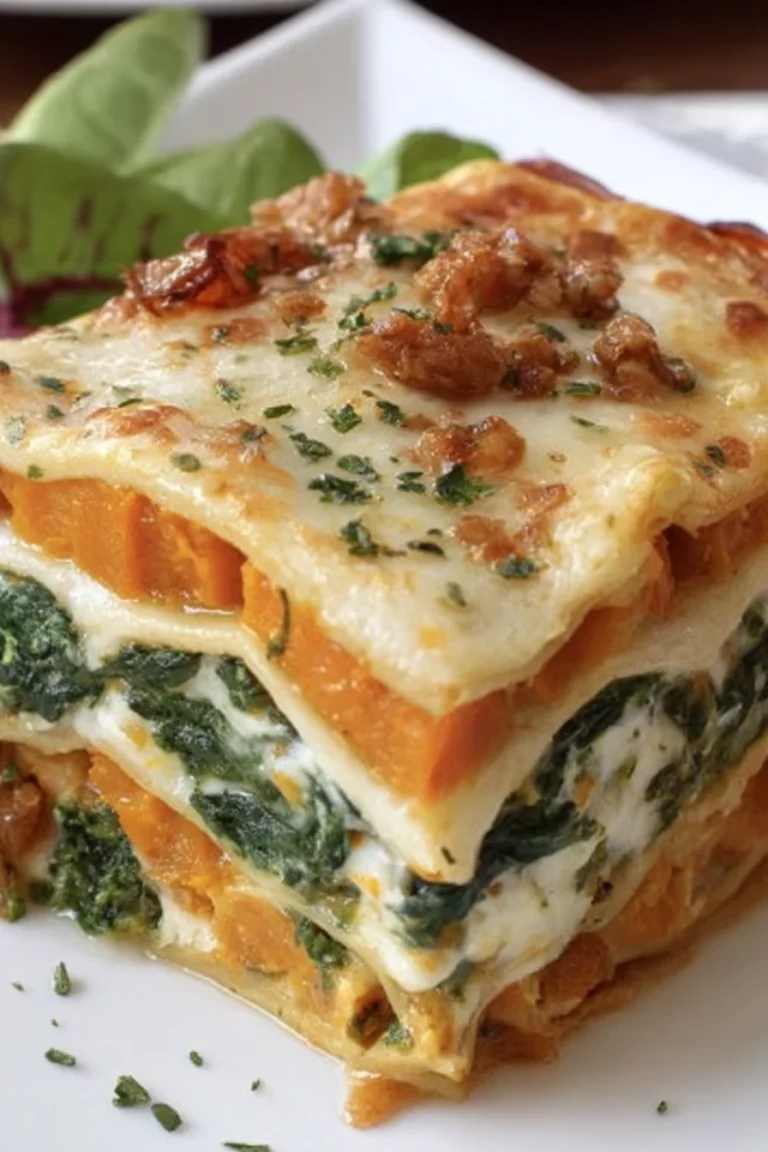
Phase 3: The Architecture of the Layers
In a 9×13 ceramic or glass dish, start with a thin layer of Béchamel. This acts as a non-stick barrier.
- Layer 1: Noodles
- Layer 2: Spinach-Ricotta blend
- Layer 3: Roasted Squash and Béchamel drizzle
- Repeat until you reach the top, finishing with a generous layer of mozzarella.
Phase 4: Thermodynamics (The Bake)
Cover with foil to trap the steam—this cooks the no-boil noodles perfectly. Remove the foil for the last 15 minutes to allow the cheese to bubble and brown.
Gourmet Variations and Lifestyle Adaptations
One of the reasons this recipe is a staple for lifestyle bloggers and home chefs is its inherent flexibility.
- The Protein Lean-In: For those focused on high-protein fitness diets, add a layer of ground turkey or sautéed chicken breast.
- Gluten-Free Innovation: Use brown rice or lentil-based lasagna sheets. Because of the creamy Béchamel, gluten-free noodles hold their texture remarkably well.
- The Vegan Transformation: Substitute the ricotta with a whipped tofu and nutritional yeast blend, and use a cashew-based Béchamel. It’s a great way to explore plant-based sustainability without sacrificing comfort.
Nutritional Profile (Per Generous Serving)
- Calories: 380 (A satisfying, controlled portion for most fitness and nutrition plans)
- Protein: 16g (Excellent for muscle maintenance)
- Fiber: 5g (From the squash and spinach, supporting digestive health)
- Vitamin A: Over 100% of your daily value (Great for vision and skin health)
Critical Mistakes to Avoid (The Pro Guide)
- The “Soupy” Disaster: If your spinach is too wet, your lasagna will slide apart. Always squeeze out excess moisture after sautéing.
- Under-Seasoning: Butternut squash is sweet; it needs the salt and garlic to keep it in the “savory dinner” category.
- The “Impatience” Factor: Cutting the lasagna immediately after it leaves the oven will result in a messy plate. Let it rest for 10 minutes. This allows the starches to set, a process called retrogradation, ensuring perfect, clean slices.
Storage, Reheating, and Longevity
For those focused on time-management and meal prepping, this lasagna is a gold mine.
- Refrigeration: Store in an airtight container for up to 4 days.
- Freezing: You can freeze individual portions for up to 2 months. This is an excellent “emergency fund” for your stomach on days when you’re too busy to cook.
- Reheating: To maintain the “luxury” texture, reheat in the oven at 350°F (175°C) with a splash of water to keep the noodles moist.
Final Thoughts: The Joy of Home Cooking
Investing time in the kitchen is one of the most effective ways to manage your long-term health and well-being. When you choose to cook a meal like this Butternut Squash and Spinach Lasagna, you are choosing quality over convenience and health over processed alternatives.
Whether you are cooking on a budget or utilizing a suite of high-end kitchen gadgets, the result is a nutrient-dense, heart-warming meal that brings everyone to the table. It’s more than just a recipe; it’s a lifestyle upgrade.
Happy Cooking! Don’t forget to let me know which variation you tried—did you go for the spicy kick or the mushroom magic? I can’t wait to hear from you!